The Pre-Treatment Clinical Gate: Why Legitimate Clinics Never Sell Stem Cell Packages Without Pre-Screening

Regenerative medicine has introduced exceptional possibilities for managing chronic conditions, accelerating tissue repair, and optimizing cellular health. High net worth individuals and global executives frequently seek out these advanced therapies to maintain their demanding lifestyles and protect their longevity. Yet, a sophisticated medical journey requires profound diligence. Legitimate medical establishments recognize that advanced cellular therapies are not off the shelf commodities. True clinical integrity begins long before a patient boards a flight or arrives at a luxury clinic.
Stem cell candidacy should be determined through a strict, physician led medical assessment. This comprehensive evaluation must take place well before any treatment planning, travel arrangements, or clinical preparations are finalized. Purchasing a premium healthcare experience means purchasing the assurance that your medical team prioritizes your biological safety above commercial speed.
Health Passport Bangkok operates with this exact philosophy. Our protocol explicitly places a private physician consultation ahead of any travel commitments. During this preliminary review, our medical experts carefully evaluate the patient's complete medical history, specific health goals, and overall treatment suitability. Patients interested in exploring stem cell therapy programs in Bangkok receive an objective, science based assessment. This vital step guarantees that their individual physiology is fully prepared for regenerative protocols.
What Pre-Screening Is Designed to Decide
A high end medical concierge service operates on absolute transparency and rigorous clinical validation. Stem cell candidate pre screening serves a highly specific purpose in the clinical pathway. This evaluation typically yields one of three practical outcomes. The patient may be cleared to proceed with the therapy, they may require further testing or specialist clearance, or the physician may decide that the treatment should be deferred or declined entirely.
Making this determination requires a multidimensional look at human biology. Physicians must carefully consider the individual's underlying condition, detailed medical history, current health status, exact treatment goals, and the specific risks associated with the planned cellular procedure. Mesenchymal stem cells (MSCs) are powerful biological agents. They operate through complex paracrine signaling. They release cytokines and growth factors that modulate the immune system and promote extensive tissue repair. Because these cells interact dynamically with the host environment, the patient's body must be appropriately primed and highly stable.
Health Passport strictly adheres to these scientific principles. Our supporting clinical material makes it entirely clear that physician screening exists to identify potential risk factors and determine whether the cellular treatment is medically appropriate for that specific individual. Providing responsible stem cell therapy in Thailand means placing the patient's long term wellbeing at the center of every medical decision.
Five Clinical Screening Checks That Can Stop or Delay Treatment
Medical professionals rely on rigorous evaluation frameworks to protect their patients. The following five screening domains are frequently used in MSC clinical assessments and established clinical trial protocols. They do not form a rigid, universal checklist. Instead, exact exclusion criteria will always depend on the medical indication, the chosen treatment route, the patient's overall condition, and the expert judgment of the attending physician.
Published and peer reviewed MSC protocols repeatedly mandate screening for active infections, malignancy, major medical instability, thromboembolic risks, and pregnancy. These safety parameters form the absolute foundation of responsible regenerative care.
1. Active Infection or Acute Illness
Cellular therapies require a highly stable physiological baseline. When a patient presents with a fever, an active bacterial or viral infection, or any other unresolved acute illness, the attending medical team will typically postpone the treatment. The delay lasts until the underlying condition is adequately evaluated and clinically managed.
The biological reasoning behind this protocol is incredibly sound. MSCs naturally migrate toward sites of active inflammation in the human body. If a patient harbors an active infection, introducing high doses of stem cells could theoretically alter the body's natural immune response. The cells might also home directly to the infection site rather than repairing the intended joint or tissue. Because of these variables, active or chronic infection appears repeatedly among the exclusion criteria in global MSC clinical protocols. Health Passport's own clinical material similarly identifies an active infection as a primary reason a patient may be deemed unsuitable for immediate treatment.
2. Active or Recent Malignancy
Oncology and regenerative medicine intersect in a space requiring the highest levels of caution. Any current cancer diagnosis or relevant cancer history requires an intensely careful physician review. Malignancy remains one of the most common exclusion criteria across modern MSC studies.
Mesenchymal stem cells secrete vascular endothelial growth factor (VEGF) and other compounds that promote angiogenesis, which is the formation of new blood vessels. While this mechanism is excellent for repairing damaged cartilage or improving cardiac tissue, it presents theoretical risks if malignant cells are present. New blood vessels could inadvertently supply nutrients to a dormant or active tumor. Therefore, medical teams avoid applying a generic, fixed cancer free interval to every patient. The required time interval and the ultimate clinical decision depend heavily on the specific cancer type, the patient's precise treatment history, and the exact protocol being considered.
3. Unstable Medical Conditions and Organ Function
Organ systems must possess the capacity to handle systemic treatments safely. Physicians rigorously screen for serious cardiovascular, respiratory, kidney, liver, and other major internal conditions. If a patient suffers from unstable organ function, it could significantly increase the procedural risk or render the stem cell treatment entirely inappropriate at that specific time.
For intravenous applications, the pulmonary first pass effect dictates that a large concentration of cells will initially transit through the lungs. A patient with severe pulmonary hypertension or deeply compromised respiratory function might not tolerate this process well. Due to these physiological realities, proper screening often involves a deep dive into historical medical records, recent laboratory results, advanced imaging, or formal specialist clearance. The evaluating physician will request these documents whenever they need additional evidence of clinical stability before moving forward.
4. Clotting Risk, Anticoagulants, and Recent Therapies
Blood coagulation parameters play a highly significant role in patient safety. Physicians must thoroughly review a patient's history for any previous deep vein thrombosis (DVT), pulmonary embolism, known coagulation disorders, active anticoagulant use, immunosuppressive treatments, and other recent medical therapies.
Certain expanded mesenchymal stem cells can express tissue factor. Tissue factor is a protein capable of initiating blood coagulation cascades. While high quality laboratory expansion minimizes this risk significantly, administering cells intravenously to a patient with a known hypercoagulable state requires immense caution. MSC trial protocols commonly include a history of thromboembolic events and certain concurrent or recent treatments among their standard safety exclusions. Consequently, an exhaustive medication history forms a completely non negotiable part of the pre screening process.
5. Pregnancy or Breastfeeding
Medical ethics dictate strict protection for vulnerable populations. Pregnancy and breastfeeding commonly lead to immediate exclusion or deferral in investigational MSC protocols. The global medical community takes this stance because the safety evidence regarding cellular therapies for these specific populations remains highly limited.
Trial protocols and established clinical guidelines generally avoid exposing pregnant or nursing women to investigational cellular interventions. The physician must always confirm the patient's pregnancy status whenever it is clinically relevant before any treatment planning continues.
When Screening Leads to Deferral or Exclusion
A premium medical service is defined by its willingness to say no when safety is compromised. A screening concern does not always lead to an outright rejection. Instead, it can lead to several different and highly constructive next steps.
For example, a physician may choose to postpone the treatment until a temporary respiratory infection fully resolves. In other scenarios, the medical team might request additional diagnostic imaging or specialist clearance to build a more comprehensive clinical picture. They may also recommend the active management of an unstable condition first, ensuring the patient reaches an optimal health baseline before revisiting cellular therapy. Sometimes, the evaluating doctor may conclude that another medical approach entirely is more appropriate for the patient's specific pathology.
Through this careful, phased approach, Health Passport physicians act as true advocates for the patient. They ensure that every individual receives the exact care they need at the precise time their body can properly utilize it.
Patient Pre-Screening and Stem Cell Quality Control Serve Different Safety Roles
It is vital to draw a distinct line between evaluating the human body and evaluating the biological product. Patient screening evaluates whether the individual is medically suitable to receive the therapy. Manufacturing quality control, on the other hand, evaluates the safety and viability of the cellular product itself. Both pillars are essential for a successful clinical outcome, yet they operate in entirely different domains.
Health Passport ensures that its partner laboratories operate under stringent EU-GMP (Good Manufacturing Practice) standards. The batch documentation provided for treatments separately covers extensive donor screening, rigorous infectious disease testing, manufacturing controls, sterility verifications, cell identity confirmations, viability scores, and strict release criteria.
These laboratory product checks complement rather than replace the physician's thorough assessment of the patient. A perfectly cultivated, highly viable batch of mesenchymal stem cells will only yield optimal results if introduced into a patient whose biological environment is stable, prepared, and properly vetted by a licensed medical professional. You can read more about how MSC stem cell treatment is manufactured and tested to understand the full scope of our laboratory partnerships.
A Safer Stem Cell Therapy Booking Process in Bangkok Starts With the Physician
High net worth individuals demand a seamless, highly secure medical journey. The appropriate sequence for an international patient must always prioritize clinical safety over logistical speed.
The ideal pathway begins when the patient shares their relevant medical records with the clinical team. Following this initial data review, the patient completes a comprehensive physician consultation. Based on this detailed medical discussion, they may need to undergo any requested diagnostic tests or specialist reviews. Once the medical team gathers all necessary data, the patient receives a formal candidacy decision. Only after this medical clearance is strictly granted should the patient finalize their treatment journey and travel arrangements.
Health Passport currently places its private physician consultation before stem cell therapy program confirmation and clinical preparation. This strict sequencing supports a completely screening first pathway for patients considering safe stem cell therapy in Bangkok.
Frequently Asked Questions About Stem Cell Candidacy
Why can I not just purchase a treatment package online immediately?
Purchasing complex medical treatments through an automated online checkout poses severe risks to your health. Regenerative cellular therapy involves introducing millions of potent, active biological agents into your systemic circulation or localized tissue. If your body harbors underlying infections, undiagnosed malignancies, or unstable cardiovascular issues, bypassing a proper medical evaluation could lead to severe adverse events. Legitimate clinical facilities operate under strict ethical mandates. They require an extensive review of your medical history, current medications, and physiological stability. This requirement ensures that you are only prescribed a treatment when there is a scientifically grounded expectation of safety and efficacy.
Will a previous medical condition permanently disqualify me from treatment?
A past medical issue does not automatically exclude you from receiving regenerative care. The human body is highly dynamic, and clinical assessments are deeply individualized. Medical teams look at the specific nature of your past condition, how much time has elapsed since your last symptom, and your current state of recovery. For instance, a patient with a history of cardiovascular disease may simply need clearance from their cardiologist to confirm their heart function is currently stable. Similarly, a patient who experienced cancer a decade ago may be cleared after the medical team reviews their oncology records to confirm long term remission. The primary goal of screening is accurate risk stratification rather than arbitrary exclusion.
How does my daily medication impact my eligibility for stem cell therapy?
Your daily pharmaceutical regimen deeply influences your body's biochemical environment. Medications such as blood thinners (anticoagulants) directly affect your blood's ability to clot. Because intravenous stem cell administration can interact with the body's natural coagulation cascade, taking heavy anticoagulants requires careful medical management prior to the procedure. Immunosuppressive drugs also demand close evaluation. Since mesenchymal stem cells interact intimately with your immune system to promote healing, suppressing that same immune system with powerful medications could blunt the therapy's overall effectiveness. Your evaluating physician will review every supplement and prescription you take. They may recommend temporarily pausing or adjusting certain medications under strict medical supervision to prepare your body for optimal cellular integration.


Turn Insight Into Action
The knowledge you've gained today is only the beginning.
Explore our physician-led programs and discover a personalized path
toward better health, greater vitality and lasting longevity.
The knowledge you've gained today is only the beginning. Explore our physician-led programs and discover a personalized path toward better health, greater vitality and lasting longevity.
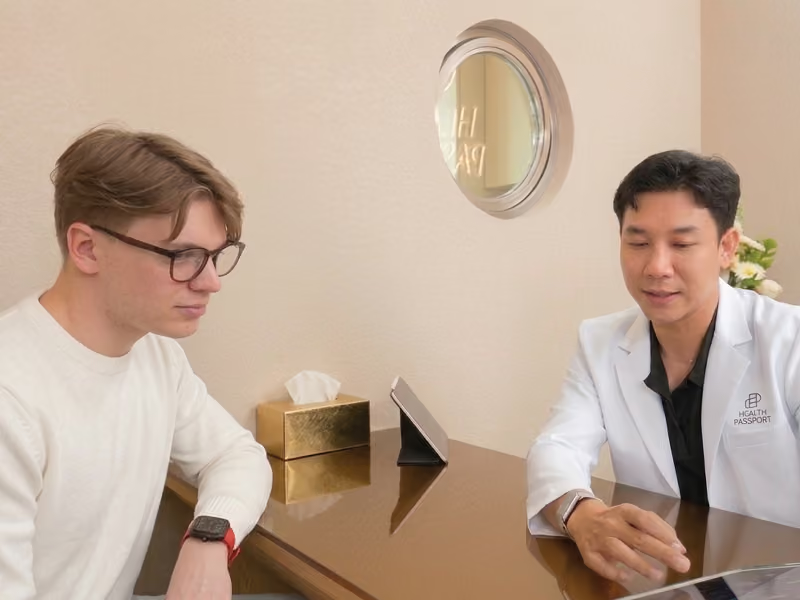
Local Stem Cell Experience
A focused 1-day ultrasound-guided Local Stem Cell Injection delivering 30 million cells with millimeter precision to a single target site. Includes VIP hotel transfer, Fast Track immigration, unlimited IV therapy, plus complimentary Advanced PRP and BPC-157 peptide recovery support.
361,250 THB / ~10,625 USD
425,000 THB / ~12,500 USD
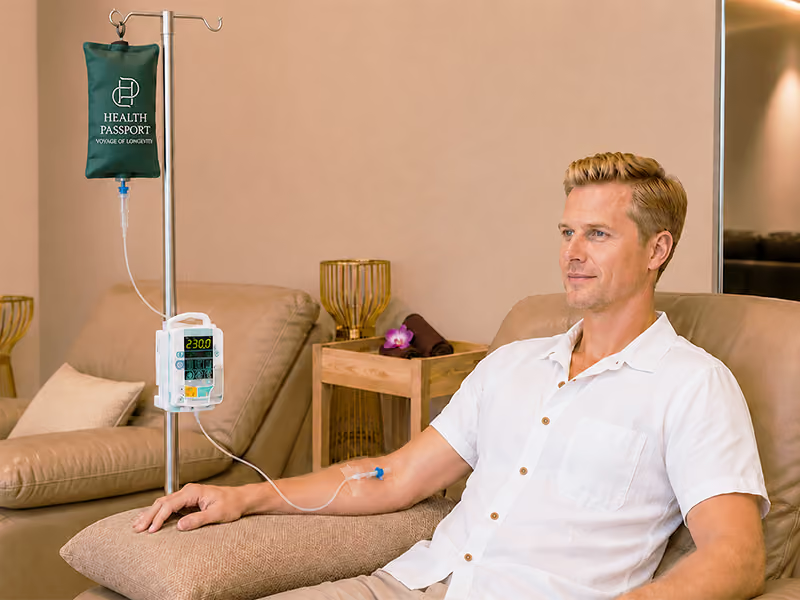
Longevity Vitality Program
A 100-million-cell premium Stem Cell IV infusion with DFPP advanced blood detox, Placenta therapy, Hyperbaric Oxygen Therapy and Unlimited premium NAD+ IV, complemented by a four-night stay at your choice of Dusit Thani, The Ritz-Carlton or Grande Centre Point Terminal 21.
1,676,200 THB / ~49,300 USD
1,972,000 THB / ~58,000 USD
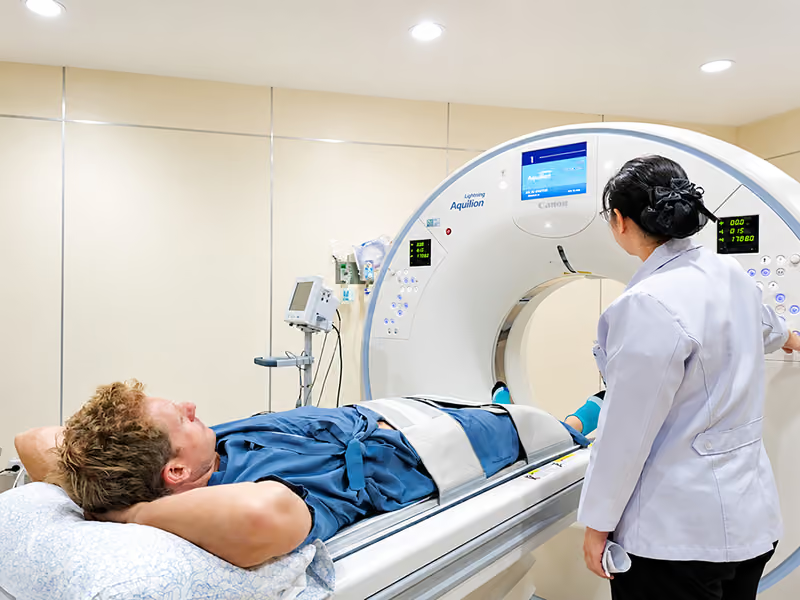
An integrative executive health screening combining comprehensive diagnostics, CT scanning and unlimited IV therapy, paired with a two-night stay at Anantara Riverside Bangkok Resort. A data-driven foundation for every regenerative wellness journey.
274,550 THB / ~8,075 USD
323,000 THB / ~9,500 USD

A 5-day precision healthspan experience decoding your genetics, epigenetics and microbiome, paired with 10 sessions of Hyperbaric Oxygen Therapy and EECP cardiovascular rejuvenation, 3-month hormone replacement and Unlimited IV.
722,500 THB / ~21,250 USD
850,000 THB / ~25,000 USD

Begin Your Journey to Lasting Vitality
Complete the confidential enquiry form and a dedicated concierge will
personally assist in tailoring your journey, discreetly and without obligation.
Complete the confidential enquiry form and a dedicated concierge will personally assist in tailoring your journey, discreetly and without obligation.
A dedicated Health Passport concierge will be in touch shortly to guide you through the next steps.