Cryogenic Cold-Chain Logistics: How Liquid Nitrogen Transport Protects Stem Cell Viability

Stem cells are highly sensitive living biological products. Their clinical efficacy and safety rely entirely on maintaining strictly controlled cryogenic conditions from the exact moment of manufacturing through international shipment and final clinical preparation. When high-net-worth individuals seek premium regenerative therapies, the conversation often focuses on the laboratory where the cells are cultivated. Yet, the journey those cells take from the laboratory to the treatment suite is just as significant.
Preserving the delicate biological characteristics of mesenchymal stem cells (MSCs) demands an unbroken cold chain. This process relies heavily on vapour-phase liquid nitrogen storage, GDP-controlled transport, and rigorous post-thaw testing. Quality cannot be assumed simply because cells originate from a high-tier facility. Instead, clinical teams must rely on batch-specific viability data to confirm that the biological product survived its journey.
Many marketing materials present an arbitrary viability rate, but medical reality is far more nuanced. We must look at documented, batch-specific viability data rather than presenting a generalized percentage as a universal result. For example, a recently documented Certificate of Analysis records 93 percent post-thaw viability for its specific batch. This transparent reporting represents the true gold standard for stem cell therapy in Bangkok. You can learn more about these precise protocols in the file named "Cryogenic Cold-Chain Logistics: How Liquid Nitrogen Transport Protects Stem Cell Viability".
From GMP Manufacturing to Cryogenic Transport
A luxury healthcare experience in regenerative medicine begins long before a patient arrives at the clinic. It starts with the absolute certainty that the biological product being administered has retained its integrity. The cold-chain sequence maps a highly controlled pathway. This pathway stretches from cell manufacturing and initial cryopreservation through vapour-phase liquid nitrogen storage, GDP-certified shipment, controlled thawing, and final quality verification.
Preserving cellular quality requires absolute continuity across the entire logistical chain. Focusing solely on the manufacturing phase is a common oversight in the medical tourism industry. If a flawless batch of MSCs experiences temperature fluctuations during transit, the cells will undergo rapid apoptosis (programmed cell death). This renders the treatment completely ineffective.
To prevent this, elite medical facilities orchestrate every single transfer point. When the cells leave the pristine environment of the cleanroom, they immediately enter specialized cryo-shippers. These transport units contain advanced temperature-logging microchips. This continuous monitoring guarantees that the internal temperature never deviates from the acceptable cryogenic range. Patients who want to understand this exact journey can explore how bone marrow MSCs are manufactured and transported.
Why Vapour-Phase Liquid Nitrogen Is Used
Mesenchymal stem cells require extremely specific conditions to remain in a state of suspended animation. Cryopreservation combined with vapour-phase liquid nitrogen provides the perfectly stable low-temperature environment required for long-term cell storage and safe international transport.
Unlike traditional liquid nitrogen storage where vials are submerged directly in liquid, the vapour-phase method suspends the storage ampoules above the liquid pool. This prevents the very real risk of cross-contamination that can occur if the liquid nitrogen harbors impurities. The vapour phase still maintains temperatures well below negative 150 degrees Celsius. This profound cold halts all cellular metabolism. By arresting the metabolic clock, the storage condition connects directly to maintaining the biological characteristics of the MSC product until the moment of clinical preparation.
What GDP-Controlled Logistics Adds to the Cold Chain
Scientific brilliance in the laboratory means nothing without flawless execution on the road. This is where Good Distribution Practice (GDP) becomes a mandatory component of premium regenerative medicine. Good Distribution Practice applies controlled handling, validated transport procedures, and exact traceability while cells move from the manufacturing facility to the clinic.
Health Passport documentation explicitly specifies the use of a GDP-certified logistics courier operating in tandem with vapour-phase liquid nitrogen transport. These couriers are not standard delivery personnel. They are highly trained biomedical logistics experts who understand how to handle cryogenic dewars, navigate international customs without compromising the payload, and interpret live telemetry data. Their specialized training ensures the product remains pristine across international borders.
Post-Thaw Viability Shows Whether the Cells Survived the Journey
The moment of truth in any stem cell therapy program occurs in the clinical preparation room. Viability must always be evaluated after thawing, because this exact measurement reflects the actual condition of the cells after enduring cryopreservation, extended storage, and international transport.
Testing viability before freezing offers no practical value to the patient receiving the treatment. The only metric that matters is how many cells are alive and metabolically active right before administration. We can examine the documented batch as a concrete example of this transparency. The corresponding Certificate of Analysis reports a 93 percent post-thaw viability along with a passing release result.
This specific data point proves that the cold-chain logistics worked perfectly for that exact shipment. It also makes very clear that viability is always batch-specific rather than a guaranteed absolute. Premium clinics openly share this batch-specific data with their patients. Those interested in the relationship between cell survival and treatment outcomes should carefully review how cell viability affects stem cell treatment value.
Sterility and Contamination Control Under EU-GMP Stem Cell Lab Standards
Logistics represent just one pillar of medical safety. We must directly connect cold-chain quality with the broader EU-GMP stem cell lab standard. Transport alone cannot establish or guarantee product quality if the initial manufacturing environment lacked absolute sterility.
The European Union Good Manufacturing Practice (EU-GMP) guidelines are widely considered the most stringent pharmaceutical manufacturing rules in the world. When a laboratory operates under these standards, it must perform and document exhaustive release testing before any batch is cleared for human use. This documented release testing covers complete sterility, absence of mycoplasma, safe levels of bacterial endotoxin, confirmed cell identity, and verified chromosomal stability.
By relying on measurable laboratory results, clinics can confidently address patient searches around zero contamination stem cells bangkok. However, it is essential to present these measurable laboratory results without turning "zero contamination stem cells" into a misleading absolute clinical claim. The goal is to show a scientifically validated absence of pathogens at the time of testing. Patients researching high-end cellular therapies are strongly encouraged to read about understanding MSC stem cell quality standards.
The Certificate of Analysis Connects Cold-Chain Claims to Batch-Level Evidence
Elite patients demand empirical proof over marketing language. The Certificate of Analysis (CoA) serves as this ultimate proof. A properly issued Certificate of Analysis allows patients to review the actual release information for a specific manufacturing batch.
This highly detailed document outlines the exact cell origin, specific GMP/PIC/S references, required storage conditions, post-thaw viability, sterility metrics, and all other vital quality-control results. It effectively bridges the gap between laboratory promises and clinical reality.
We must always position the CoA as practical, undeniable evidence for evaluating stem cell quality. This completely removes the need to rely on general, unsubstantiated claims about cryogenic shipping or laboratory standards. When a clinic can hand you a certified document proving the exact state of your cellular product, you have achieved true medical transparency. You can explore the depths of stem cell manufacturing and traceability to see exactly how these documents verify quality.
Frequently Asked Questions About Stem Cell Transport and Viability
How do I know the stem cells are safe after international transport?
Safety is established through a combination of GDP-controlled logistics and strict post-thaw testing protocols. When a clinic utilizes vapour-phase liquid nitrogen storage, the cells remain in a completely stable, deeply frozen state that prevents cellular degradation. Once the cells arrive at the clinic, the medical team conducts viability testing to ensure the product has survived the journey intact. You should always ask to see the batch-specific data to confirm that safety standards were met.
What does EU-GMP certification actually mean for my treatment?
EU-GMP certification indicates that the laboratory manufacturing the cells follows the strictest pharmaceutical regulations available. This certification requires constant environmental monitoring, flawless cleanroom protocols, and massive amounts of documentation for every single procedure. For the patient, this standard guarantees that the cells have undergone rigorous testing for sterility, mycoplasma, and bacterial endotoxins before they are ever placed into cryogenic transport.
Why is post-thaw viability a better metric than pre-freeze viability?
Pre-freeze viability only tells you how healthy the cells were while sitting in the laboratory incubator. It provides absolutely no information about what happened during the freezing process, the international shipment, or the thawing protocol. Post-thaw viability measures the exact condition of the cells just moments before they enter your body.
What to Check Before Choosing a Stem Cell Provider
Selecting a premium regenerative medicine provider requires careful due diligence. You must systematically verify exactly where the cells are manufactured and which specific GMP standard applies to that facility.
You should ask explicitly how the cells are stored and transported across borders. Request confirmation that GDP controls are documented throughout the entire logistical chain. Most importantly, you must verify whether post-thaw viability is routinely measured and whether a batch-specific CoA is readily available for your review.
We highly recommend reviewing this technical documentation in detail with a qualified physician before making any final decisions about your treatment. A transparent consultation provides the clarity needed for absolute peace of mind. To begin this conversation and explore bespoke care options, please review the Health Passport stem cell therapy programs.


Turn Insight Into Action
The knowledge you've gained today is only the beginning.
Explore our physician-led programs and discover a personalized path
toward better health, greater vitality and lasting longevity.
The knowledge you've gained today is only the beginning. Explore our physician-led programs and discover a personalized path toward better health, greater vitality and lasting longevity.

Local Stem Cell Experience
A focused 1-day ultrasound-guided Local Stem Cell Injection delivering 30 million cells with millimeter precision to a single target site. Includes VIP hotel transfer, Fast Track immigration, unlimited IV therapy, plus complimentary Advanced PRP and BPC-157 peptide recovery support.
361,250 THB / ~10,625 USD
425,000 THB / ~12,500 USD
Longevity Vitality Program
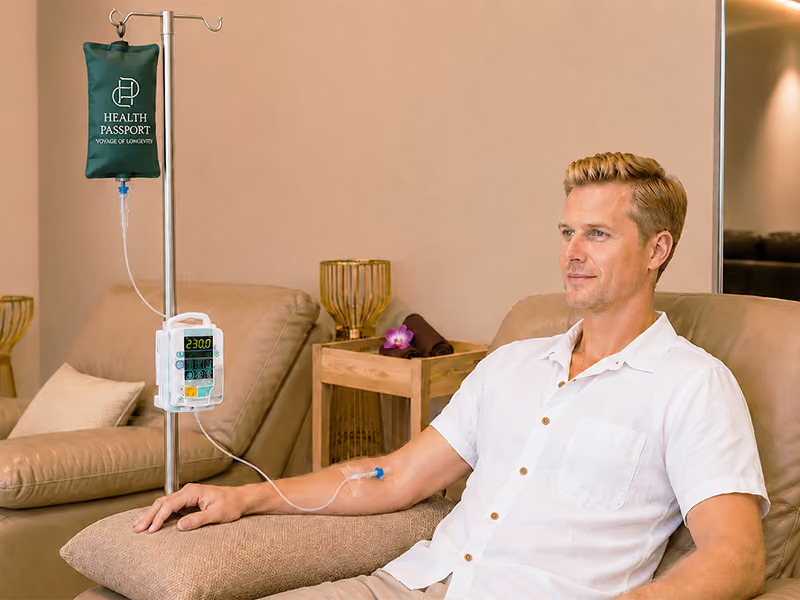
A 100-million-cell premium Stem Cell IV infusion with DFPP advanced blood detox, Placenta therapy, Hyperbaric Oxygen Therapy and Unlimited premium NAD+ IV, complemented by a four-night stay at your choice of Dusit Thani, The Ritz-Carlton or Grande Centre Point Terminal 21.
1,676,200 THB / ~49,300 USD
1,972,000 THB / ~58,000 USD
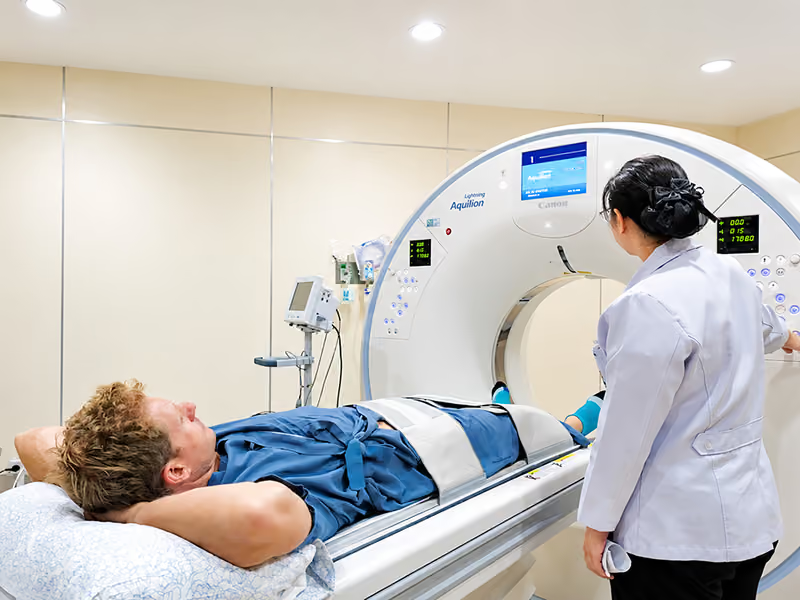
An integrative executive health screening combining comprehensive diagnostics, CT scanning and unlimited IV therapy, paired with a two-night stay at Anantara Riverside Bangkok Resort. A data-driven foundation for every regenerative wellness journey.
274,550 THB / ~8,075 USD
323,000 THB / ~9,500 USD

A 5-day precision healthspan experience decoding your genetics, epigenetics and microbiome, paired with 10 sessions of Hyperbaric Oxygen Therapy and EECP cardiovascular rejuvenation, 3-month hormone replacement and Unlimited IV.
722,500 THB / ~21,250 USD
850,000 THB / ~25,000 USD

Begin Your Journey to Lasting Vitality
Complete the confidential enquiry form and a dedicated concierge will
personally assist in tailoring your journey, discreetly and without obligation.
Complete the confidential enquiry form and a dedicated concierge will personally assist in tailoring your journey, discreetly and without obligation.
A dedicated Health Passport concierge will be in touch shortly to guide you through the next steps.